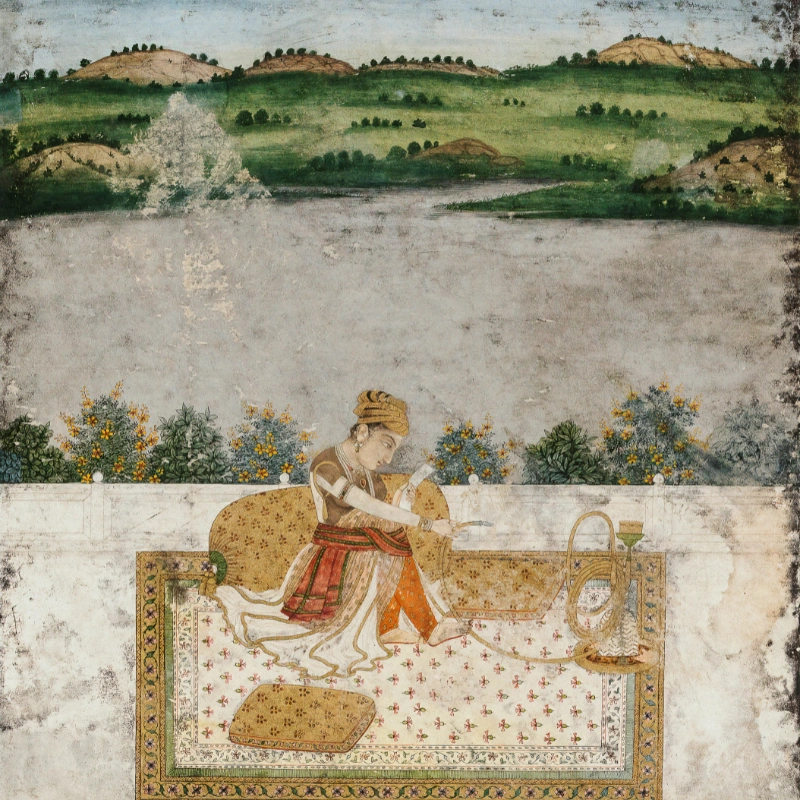
Iranian art has always been a reflection of the country’s social, cultural, and historical transformations. From the delicate miniatures of the Timurid era to the vibrant coffeehouse paintings of the Qajar period, one can trace the evolution of aesthetic and intellectual changes through its artistic expressions. However, contemporary Iranian art, at the threshold of a new century, occupies a unique position that sets it apart from all previous periods.
Multiplicity in Artistic Expression
Contemporary Iranian artists, influenced by global trends, have embraced a multifaceted and multimedia approach. Art is no longer confined to traditional paintings or sculptures but extends to video art, installations, digital media, and performance art. This phenomenon highlights the coexistence of tradition and modernity in Iranian art, where Islamic geometric patterns merge with abstract contemporary forms, and classical calligraphy intertwines with modern typography, creating a fresh and unique artistic language.
A Return to Identity in a Globalized World
In recent decades, many Iranian artists have sought to strike a balance between their cultural roots and international artistic movements. Their works often reinterpret ancient Persian symbols, such as Shahnameh mythology, traditional calligraphy, and Persian architectural elements, within contemporary contexts. These artists neither blindly imitate Western trends nor remain confined to tradition; instead, they adopt a dialectical approach that results in distinctive, innovative works.
Challenges and Opportunities
Despite its dynamism, contemporary Iranian art faces significant challenges. Economic difficulties, restrictions on art exhibitions, limited access to international markets, and insufficient institutional support pose obstacles for many artists. However, the rise of online platforms and art marketplaces has provided unprecedented opportunities for artists to showcase and sell their work globally. These digital avenues not only strengthen the art economy but also foster greater cultural exchange between Iranian artists and the global art community.
Conclusion
Contemporary Iranian art is undergoing a pivotal transformation, marked by the seamless blend of tradition and modernity. A new generation of Iranian artists is striving to make their voices heard in today’s fast-paced world, crafting innovative narratives that bridge the past and the present. What distinguishes Iranian art is not only its rich historical heritage but also its remarkable ability to adapt, evolve, and redefine itself in the face of changing times.

User comments